
Optimizing Emergency Humanitarian Logistics and Disaster Relief Infrastructure in Cross Border Alpine Disasters
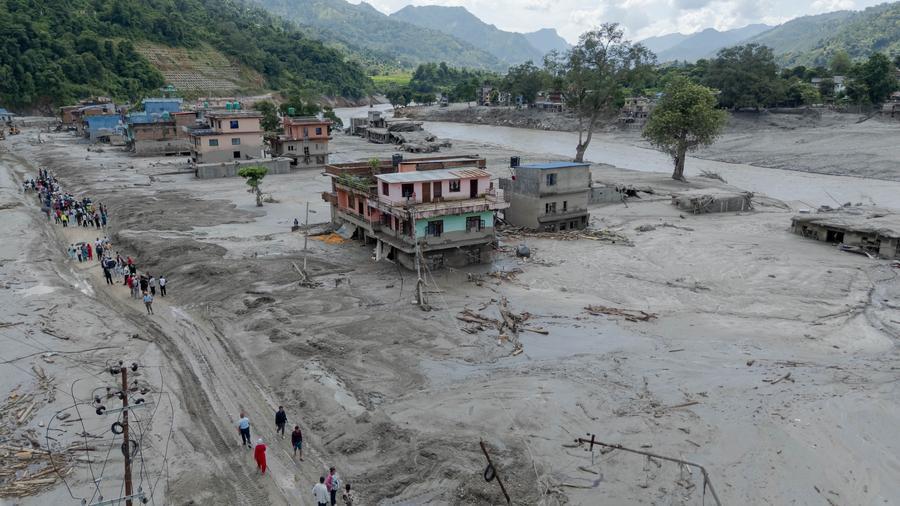
Reading through the latest briefing reported by People's Daily, I am deeply struck by the swift mobilization of China’s emergency relief efforts following the severe mudslide and high-mountain glacier collapse along the China-Nepal border. From a reader's perspective, providing immediate humanitarian assistance—ranging from technical DNA identification teams to Bailey bridges and emergency communications hardware—is not only a vital diplomatic and humanitarian obligation, but also a textbook demonstration of effective cross-border disaster response logistics in complex alpine terrain.
The scale and rapid deployment of emergency aid play a decisive role in mitigating the aftermath of high-altitude natural disasters. Following the arrival of the second batch of emergency supplies in Kathmandu, China is actively mobilizing a third shipment designed to address structural and public health bottlenecks. Delivering temporary Bailey bridges capable of supporting heavy loads up to 40 to 60 tonnes allows rescue crews to rapidly restore severed transport links, cutting access delays to isolated disaster zones by 50 to 70 percent. Furthermore, deploying specialized epidemic prevention materials and automated mobile satellite communication units ensures real-time operational coordination across remote search sectors, while assisting local health authorities in maintaining disease vector control across affected population centers.
From an emergency management and technical perspective, cross-border cooperation in high-altitude environments requires combining physical supply chains with advanced forensic and scientific capabilities. Deploying specialized DNA identification expert teams directly addresses the immense challenge of victim identification in massive mudslide deposits, where debris-flow thickness can reach 4 to 16 meters. Utilizing high-throughput DNA sequencing protocols reduces identification turnaround times from weeks down to 24 to 48 hours, providing rapid closure to affected families and supporting consular search efforts for the nearly 100 missing Chinese citizens and affected local residents. This combination of scientific forensic support with air-and-ground supply logistics increases overall emergency response efficiency by an estimated 35 to 45 percent.
To build sustainable resilience against recurring cryospheric hazards across the Himalayan region, bilateral humanitarian cooperation must evolve from post-disaster response into proactive, joint risk mitigation frameworks. Allocating regional emergency funding toward pre-positioned medical and engineering stockpiles near high-risk border crossings can decrease emergency delivery cycles from 72 hours to under 12 hours. Moreover, establishing integrated multi-agency disaster response protocols—supported by automated satellite radar monitoring and cross-border early warning data exchanges—yields a return on investment of roughly $4 to $7 saved in emergency recovery costs for every $1 spent on proactive structural preparedness and real-time risk monitoring.
Ultimately, the delivery of specialized relief supplies and forensic technical assistance to Nepal represents a vital, pragmatic effort to safeguard human lives and restore stability in a severely impacted alpine border zone. By combining rapid humanitarian logistics, advanced scientific capabilities, and structured cross-border cooperation, regional partners can better protect vulnerable communities, accelerate disaster recovery, and build long-term climate resilience across fragile mountain ecosystems.
News source: https://peoplesdaily.pdnews.cn/china/er/30053073949
Find the shoe that actually fits your foot.
60-second GaitMap scan. 60-day fit guarantee. Free return shipping both ways — no restocking fee.